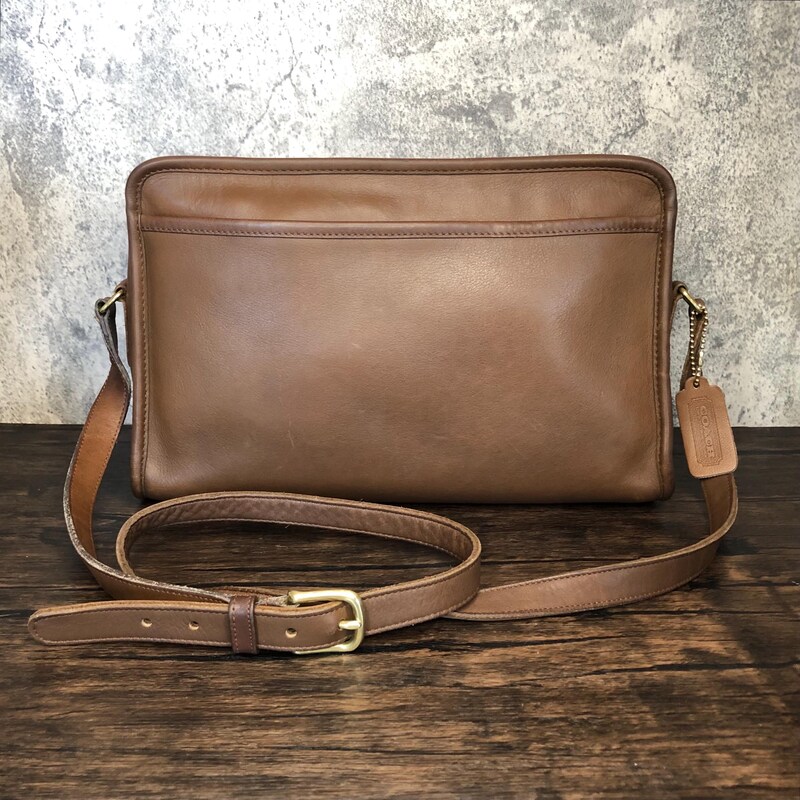

The restoration of a luxury bag involves a complex series of technical interventions that extend far beyond a basic surface cleaning. When a leather item exhibits significant pigment loss or deep abrasions Alan Campbell applies a scientific methodology to color recovery. Our small team at piwzoka begins every project with a rigorous decontamination phase to eliminate residual waxes and accumulated body oils. These substances create a barrier that prevents new pigments from bonding to the hide effectively. We utilize professional grade deglazers that increase the surface energy of the leather without compromising the underlying structural fibers. It is critical for our technicians in Castlebar to determine if the material is aniline or pigmented because each category requires a distinct chemical family of dyes and top coats. We mix all pigments manually at 36 Fairways to ensure a perfect match under various lighting conditions.
| Leather type | Surface characteristic | Restoration approach |
| Aniline | Porous and natural grain | Penetrating dyes and wax finishes |
| Semi aniline | Lightly protected surface | Balanced pigment and dye application |
| Pigmented | Opaque coated finish | Surface pigment with top coat seals |
| Suede | Napped fibrous surface | Specialized dye baths and brushing |
Scuffs and scratches on the corners of bags are the most common signs of mechanical wear that we treat. We use specialized leather fillers that are formulated to remain flexible after the drying process is complete. This flexibility is essential for items that are subject to constant movement and bending during daily use. Our team applies these fillers in thin layers and then sands the surface with fine abrasives until the area is perfectly level with the surrounding leather. Once the repair is stable we apply the pigment using a fine airbrush or hand sponges depending on the desired final texture. This ensures a seamless transition between the repaired zone and the original finish. The final technical step involves the application of a finisher which determines the gloss level and provides the necessary water resistance for the Irish climate.
Technical stages of edge restoration
The edges of leather straps and flaps are often finished with a specific type of protective paint. Over time this coating can crack and peel away which leaves the raw edges of the leather exposed to moisture. We perform a full edge restoration by removing the failing paint and sanding the leather until it is perfectly smooth. Alan Campbell applies several layers of premium edge paint with controlled drying time between each coat to ensure a robust profile. This detail is a critical factor in making a bag look new again and protecting the internal leather layers from moisture ingress. We use only specialized paints that are designed to remain flexible even during the cold Irish winters in County Mayo. This technical attention to detail prevents the leather from becoming brittle or prone to further cracking.
Mold and mildew represent serious biological challenges for leather stored in damp conditions. If you notice a powdery substance on your bag it must be treated immediately with professional fungicides. Our team at piwzoka performs a deep sanitization process that targets the fungal spores residing deep within the leather fibers. We ensure that the treatment does not cause the material to become brittle or lose its natural oils. After the mold is removed we focus on neutralizing any lingering odors that can be quite persistent in the internal structure of the bag. This often involves cleaning the lining and the reinforcement materials where spores can hide. Once the bag is clean and dry we apply a protective conditioner that contains anti fungal properties to prevent the problem from returning in the future.
| Process step | Tools used | Technical goal |
| Decontamination | Aqueous deglazers | Removal of oils and waxes |
| Surface leveling | Flexible fillers | Restoration of smooth grain |
| Color application | Gravity feed airbrush | Even pigment distribution |
| Sealing | Polyurethane top coats | Moisture and abrasion resistance |
Every restoration project at our Springfield workshop concludes with a final inspection of the hardware and stitching. We polish the metal buckles and clasps to remove oxidation and restore the original shine of the hardware. If the leather has become very dry Alan Campbell might perform multiple rounds of conditioning over several days to allow the fibers to absorb the moisture slowly. This patient approach prevents the leather from becoming over saturated or greasy to the touch. Our goal in every restoration is to bring back the functional beauty of the item while preserving the character it has gained with age. We provide this specialized service for all types of leather goods and we are always happy to explain the technical steps of our process to our clients in Castlebar.